


15/10/2026
Bill To Strengthen Electricity Network Resilience Progresses
Revised Electricity (Supply) (Amendment) Bill 2026 would expand ESB Networks' powers on vegetation management, speed up storm recovery and establish Forestry Corridors, embedding network resilience into forestry decisions as part of a multi-decade, regulator-overseen programme.
Minister for Climate, Energy and the Environment Darragh O'Brien has welcomed Government approval of the revised Heads of the Electricity (Supply) (Amendment) Bill 2026, designed to create a modern statutory framework that reinforces the resilience of Ireland's electricity network.
The proposals focus on managing forestry and vegetation-related threats around electricity infrastructure, strengthening ESB Networks' ability to act proactively on identified risks, and enhancing restoration powers following severe weather and other emergencies. Almost 4,000km of the network runs through or alongside forestry.
The bill is a central element of the Government's response to Storm Éowyn and the growing frequency and intensity of extreme weather. It equips ESB Networks with additional powers to tackle vegetation and forestry risks to the infrastructure that powers homes, businesses, public services and communities.
Since Storm Éowyn, ESB Networks has delivered a €74.5 million Winter Resilience Programme, carried out extensive surveys of infrastructure in forestry areas, addressed more than 12,000 damaged and diseased hedgerow trees, engaged with over 1,800 forestry owners and secured voluntary agreements to mitigate risks along more than 40km of priority lines. This work has pinpointed priority locations for further interventions and informed a longer-term, multi-annual resilience plan.
Speaking about the legislation, Minister O'Brien said: "The electricity network is one of the most important pieces of critical infrastructure in the State. Almost 4,000km of that network runs through or alongside forestry. Recent storms have shown the damage that severe weather causes to forestry and power lines and the impact this damage can have on homes, businesses, farms, public services and communities. This legislation is about ensuring that we learn the lessons from Storm Éowyn and put in place the tools needed to strengthen the resilience of our electricity network for the future. This long-term programme will strengthen the electricity network's ability to withstand, respond to and recover from severe weather events, helping to ensure a reliable supply of electricity for customers across the country.
"The framework we are bringing forward is targeted, proportionate and evidence based. It balances the need to protect critical infrastructure and electricity customers while recognising the importance of forestry, environmental protection and landowner rights.
"Together with the significant resilience measures already being delivered by ESB Networks, this legislation will support a long-term programme of work to reduce risks to the network, improve restoration capability and ensure Ireland is better prepared for future severe weather events."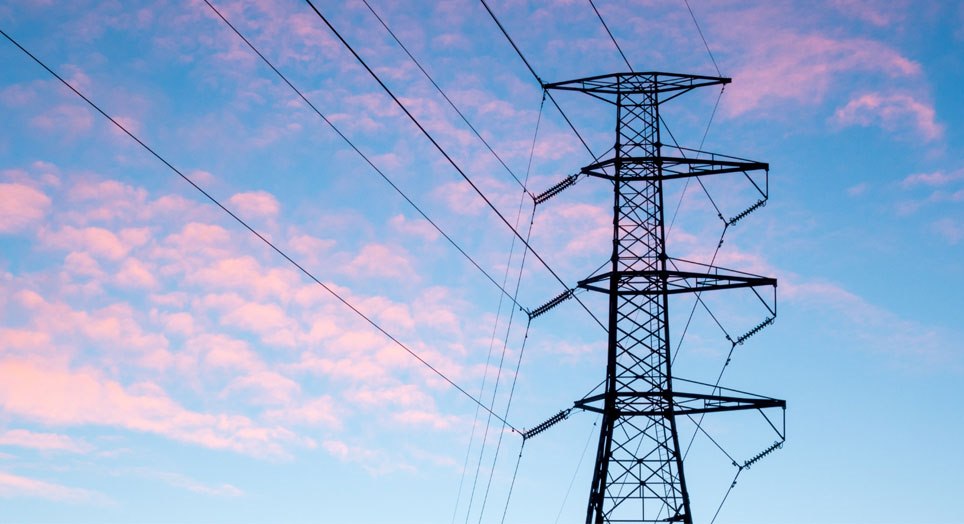 Storm Éowyn left approximately 768,000 customers without electricity, underlining how parts of the network are vulnerable to vegetation and forestry-related damage.
Shaped by extensive engagement with ESB Networks, the Department of Agriculture, Food and the Marine, the Office of the Attorney General, Coillte and forestry stakeholders, the revised approach moves from an original corridor-clearance concept to a more targeted, proportionate, risk-based resilience framework.
Under the legislation, emergency restoration powers would be strengthened to enable the timely and safe return of supply after severe weather. ESB Networks would gain enhanced powers to undertake proactive vegetation management where an actual or reasonably foreseeable risk to the network exists, together with improved inspection, assessment and resilience-related maintenance powers.
A statutory framework for Forestry Corridors would be created, comprising Electricity Safety Corridors and Forestry Resilience Zones. Network resilience considerations would be integrated into future afforestation, reafforestation and replanting decisions.
The bill would also establish a statutory compensation framework for landowners, building on existing arrangements and providing a clear legal basis for compensation associated with Forestry Corridors and the lawful exercise of powers under the act. Environmental safeguards, including Appropriate Assessment and Environmental Impact Assessment where applicable, would be maintained.
The framework is intended to support the long-term coexistence of forestry and electricity infrastructure, enabling risks to be identified and mitigated before they lead to outages or damage, and allowing targeted interventions where vegetation presents a demonstrable threat.
The measures complement wider resilience works already underway and funded through the Commission for Regulation of Utilities' Price Review 6 (PR6) for 2026–2030, which provides around €13.8 billion to €18.9 billion of investment across the electricity system, including approximately €890 million dedicated to storm resilience and climate adaptation.
Once enacted, ESB Networks will incorporate the legislation's requirements into its long-term operational and resilience planning. As with PR6, future spending on network development, maintenance and resilience will be considered through subsequent Price Review processes and remain subject to CRU scrutiny. The programme is envisaged as a long-term resilience investment to be delivered progressively over multiple decades.
No direct Exchequer funding is currently envisaged. Subject to CRU approval, implementation costs would be handled within the existing electricity network regulatory framework and relevant Price Reviews. The CRU's Agile Investment and Monitoring Framework provides a route to assess resilience-related investments as arrangements develop.
The bill will proceed to Pre-Legislative Scrutiny before the drafting of legislation is finalised, with implementation expected to extend beyond PR6 into PR7 (2031–2035), PR8 (2036–2040), PR9 (2041–2045) and potentially PR10 (2046–2050).
Minister for Climate, Energy and the Environment Darragh O'Brien has welcomed Government approval of the revised Heads of the Electricity (Supply) (Amendment) Bill 2026, designed to create a modern statutory framework that reinforces the resilience of Ireland's electricity network.
The proposals focus on managing forestry and vegetation-related threats around electricity infrastructure, strengthening ESB Networks' ability to act proactively on identified risks, and enhancing restoration powers following severe weather and other emergencies. Almost 4,000km of the network runs through or alongside forestry.
The bill is a central element of the Government's response to Storm Éowyn and the growing frequency and intensity of extreme weather. It equips ESB Networks with additional powers to tackle vegetation and forestry risks to the infrastructure that powers homes, businesses, public services and communities.
Since Storm Éowyn, ESB Networks has delivered a €74.5 million Winter Resilience Programme, carried out extensive surveys of infrastructure in forestry areas, addressed more than 12,000 damaged and diseased hedgerow trees, engaged with over 1,800 forestry owners and secured voluntary agreements to mitigate risks along more than 40km of priority lines. This work has pinpointed priority locations for further interventions and informed a longer-term, multi-annual resilience plan.
Speaking about the legislation, Minister O'Brien said: "The electricity network is one of the most important pieces of critical infrastructure in the State. Almost 4,000km of that network runs through or alongside forestry. Recent storms have shown the damage that severe weather causes to forestry and power lines and the impact this damage can have on homes, businesses, farms, public services and communities. This legislation is about ensuring that we learn the lessons from Storm Éowyn and put in place the tools needed to strengthen the resilience of our electricity network for the future. This long-term programme will strengthen the electricity network's ability to withstand, respond to and recover from severe weather events, helping to ensure a reliable supply of electricity for customers across the country.
"The framework we are bringing forward is targeted, proportionate and evidence based. It balances the need to protect critical infrastructure and electricity customers while recognising the importance of forestry, environmental protection and landowner rights.
"Together with the significant resilience measures already being delivered by ESB Networks, this legislation will support a long-term programme of work to reduce risks to the network, improve restoration capability and ensure Ireland is better prepared for future severe weather events."
Shaped by extensive engagement with ESB Networks, the Department of Agriculture, Food and the Marine, the Office of the Attorney General, Coillte and forestry stakeholders, the revised approach moves from an original corridor-clearance concept to a more targeted, proportionate, risk-based resilience framework.
Under the legislation, emergency restoration powers would be strengthened to enable the timely and safe return of supply after severe weather. ESB Networks would gain enhanced powers to undertake proactive vegetation management where an actual or reasonably foreseeable risk to the network exists, together with improved inspection, assessment and resilience-related maintenance powers.
A statutory framework for Forestry Corridors would be created, comprising Electricity Safety Corridors and Forestry Resilience Zones. Network resilience considerations would be integrated into future afforestation, reafforestation and replanting decisions.
The bill would also establish a statutory compensation framework for landowners, building on existing arrangements and providing a clear legal basis for compensation associated with Forestry Corridors and the lawful exercise of powers under the act. Environmental safeguards, including Appropriate Assessment and Environmental Impact Assessment where applicable, would be maintained.
The framework is intended to support the long-term coexistence of forestry and electricity infrastructure, enabling risks to be identified and mitigated before they lead to outages or damage, and allowing targeted interventions where vegetation presents a demonstrable threat.
The measures complement wider resilience works already underway and funded through the Commission for Regulation of Utilities' Price Review 6 (PR6) for 2026–2030, which provides around €13.8 billion to €18.9 billion of investment across the electricity system, including approximately €890 million dedicated to storm resilience and climate adaptation.
Once enacted, ESB Networks will incorporate the legislation's requirements into its long-term operational and resilience planning. As with PR6, future spending on network development, maintenance and resilience will be considered through subsequent Price Review processes and remain subject to CRU scrutiny. The programme is envisaged as a long-term resilience investment to be delivered progressively over multiple decades.
No direct Exchequer funding is currently envisaged. Subject to CRU approval, implementation costs would be handled within the existing electricity network regulatory framework and relevant Price Reviews. The CRU's Agile Investment and Monitoring Framework provides a route to assess resilience-related investments as arrangements develop.
The bill will proceed to Pre-Legislative Scrutiny before the drafting of legislation is finalised, with implementation expected to extend beyond PR6 into PR7 (2031–2035), PR8 (2036–2040), PR9 (2041–2045) and potentially PR10 (2046–2050).
Related Irish News Stories
Click here for the latest headlines.
01 March 2016
Coillte Hosts Climate Change And Irish Forestry Conference In Dublin
Coillte has hosted the Climate Change and Irish Forestry Conference in Dublin. The event took place in Farmleigh House yesterday, 29 February. It was opened by EU Commissioner for Agriculture and Rural Development Phil Hogan.
Coillte Hosts Climate Change And Irish Forestry Conference In Dublin
Coillte has hosted the Climate Change and Irish Forestry Conference in Dublin. The event took place in Farmleigh House yesterday, 29 February. It was opened by EU Commissioner for Agriculture and Rural Development Phil Hogan.
17 June 2011
Foresters' Facebook Fights Fines
Social networking is today being harnessed by ramblers and other countryside lovers across Ireland to oppose a planned law that would ban anyone from being on Forestry Service land from dusk to dawn - without exception.
Foresters' Facebook Fights Fines
Social networking is today being harnessed by ramblers and other countryside lovers across Ireland to oppose a planned law that would ban anyone from being on Forestry Service land from dusk to dawn - without exception.
25 July 2019
€6m Secured For Technology Gateway Network Programme
More than €6 million in funding is to be allocated to 43 successful applicants to the Capital Equipment Fund by Enterprise Ireland's Technology Gateway Network Programme.
€6m Secured For Technology Gateway Network Programme
More than €6 million in funding is to be allocated to 43 successful applicants to the Capital Equipment Fund by Enterprise Ireland's Technology Gateway Network Programme.
14 June 2018
Winds Leave Tens Of Thousands Without Power
Tens of thousand of homes, farms and businesses across Donegal, Sligo, Galway and Mayo have been left without power following strong winds overnight. Engineers are working to reconnect some 35,000 customers in the areas affected by Storm Hector.
Winds Leave Tens Of Thousands Without Power
Tens of thousand of homes, farms and businesses across Donegal, Sligo, Galway and Mayo have been left without power following strong winds overnight. Engineers are working to reconnect some 35,000 customers in the areas affected by Storm Hector.
07 August 2015
Copper Thieves Endangering Lives - ESB Network
Thieves stealing live copper overhead power lines are not only putting their own lives at risk, but are also endangering the lives of others by leaving "potentially unsafe live electrical network after them and interrupting supply to critical services", An Garda Síochána and ESB Networks have said.
-


 Ireland WeatherToday:After a frosty start to day the day this morning will be dry with sunny intervals. Then this afternoon will remain dry with plenty of sunshine. Cold. Maximum temperature 8 °C.Tonight:Continuing to stay dry through the evening, with some clear spells. Clear spells overnight will lead to a cold and frosty night. Light and variable winds. Minimum temperature -2 °C.